What if your team’s agreement is actually the reason execution keeps breaking?
Most people aren’t rejected—they’re just invisible. The difference? A system no one talks about.
The real reason developers aren’t getting hired in 2026—and what actually works now.
Why working harder might be the slowest way to grow right now!
The fastest way to kill interest isn’t a bad idea—it’s a borrowed one.
High-performing models are impressive—until they block decisions, trust, and accountability.
Most teams think they’re using AI. In reality, they’re just visualizing data faster.
What if that tiny “synthetic key” warning is quietly breaking your entire data model?
Everyone has AI now. So why are only a few actually going viral?
What if your Qlik app isn’t wrong... but every selection is telling a different story?
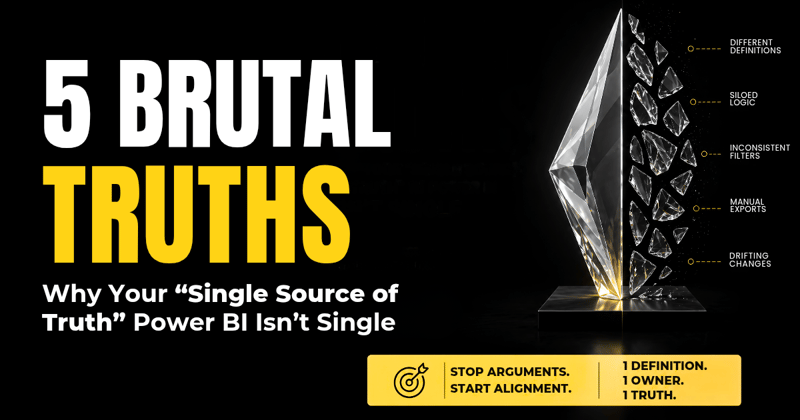
What if your Power BI dashboard isn’t wrong... but everyone using it is seeing a different truth?
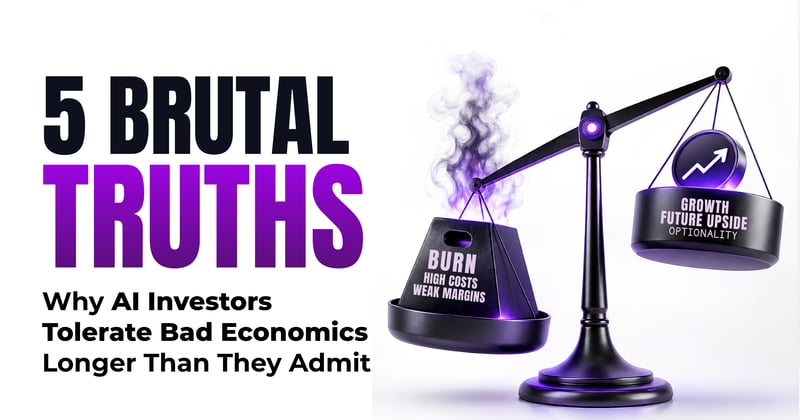
Growth looks impressive until margins catch up. That’s when the real decisions get made.